
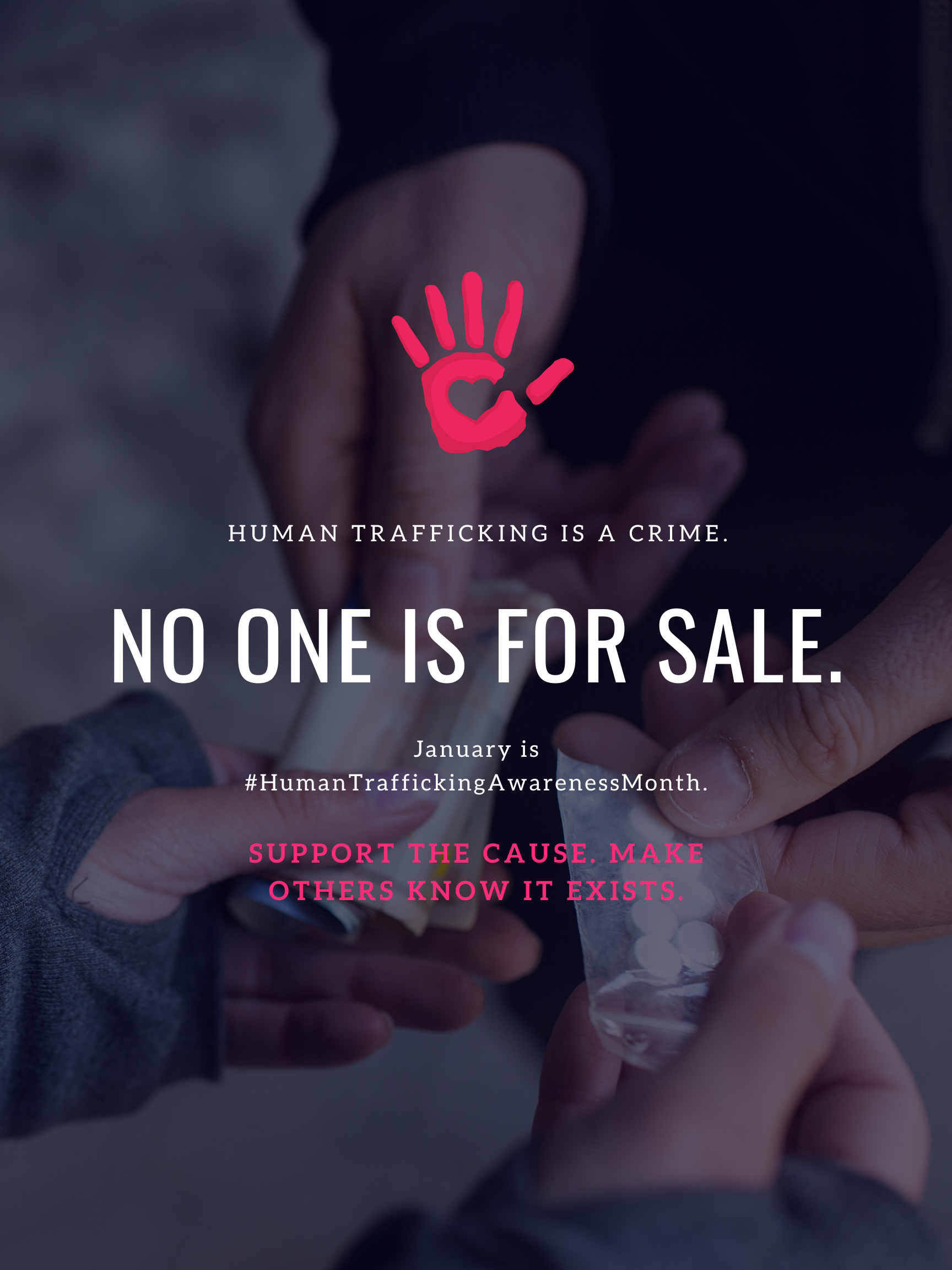
Human trafficking often hides in plain sight. It doesn’t always look like chains or locked doors—it can look like fear, silence, or someone who never gets to speak for themselves. During Human Trafficking Prevention Month, awareness is one of the most powerful tools we have to protect vulnerable individuals and save lives.
Common Signs of Human Trafficking
No single sign confirms trafficking, but patterns matter. Some red flags to watch for include:
- No access to personal identification or documents
The individual may not have their ID, passport, or legal papers and may say someone else is “holding onto them.” - Looking to another person before answering questions
They may appear coached, fearful, or hesitant—especially if someone else is present during the conversation. - Never alone or closely monitored
Someone may insist on speaking for them, refuse privacy, or stay unusually close at all times. - Restricted communication
Limited access to a phone, social media, money, or transportation can signal control. - Inconsistent or scripted stories
Their explanation of work, living situation, or relationships may change or sound rehearsed. - Signs of fear, anxiety, or submission
Avoiding eye contact, appearing hyper-vigilant, or showing extreme compliance can indicate coercion. - Unexplained injuries or poor health
Untreated medical issues, exhaustion, malnutrition, or signs of physical abuse may be present. - Living and working conditions that raise concern
Long hours, little or no pay, unsafe environments, or inability to leave work freely are major warning signs.
Why Awareness Matters
Trafficking thrives on isolation and silence. Many victims do not self-identify because of fear, shame, language barriers, trauma bonding, or threats against loved ones. By learning the signs, everyday people—neighbors, coworkers, teachers, healthcare workers, faith leaders—can become part of the solution.
What You Can Do
- Trust your instincts—concern is enough to pause and pay attention
- Do not confront a suspected trafficker
- If someone is in immediate danger, call 911
- Contact the National Human Trafficking Hotline
1-888-373-7888 | Text BEFREE to 233733
(Available 24/7, confidential, multiple languages)
A Final Word
Human trafficking is not a distant problem—it happens in cities, suburbs, and rural communities alike. Awareness saves lives. Compassion opens doors. And sometimes, noticing one small detail can make all the difference.
If this post helps even one person recognize the signs, it has done its job.